About me
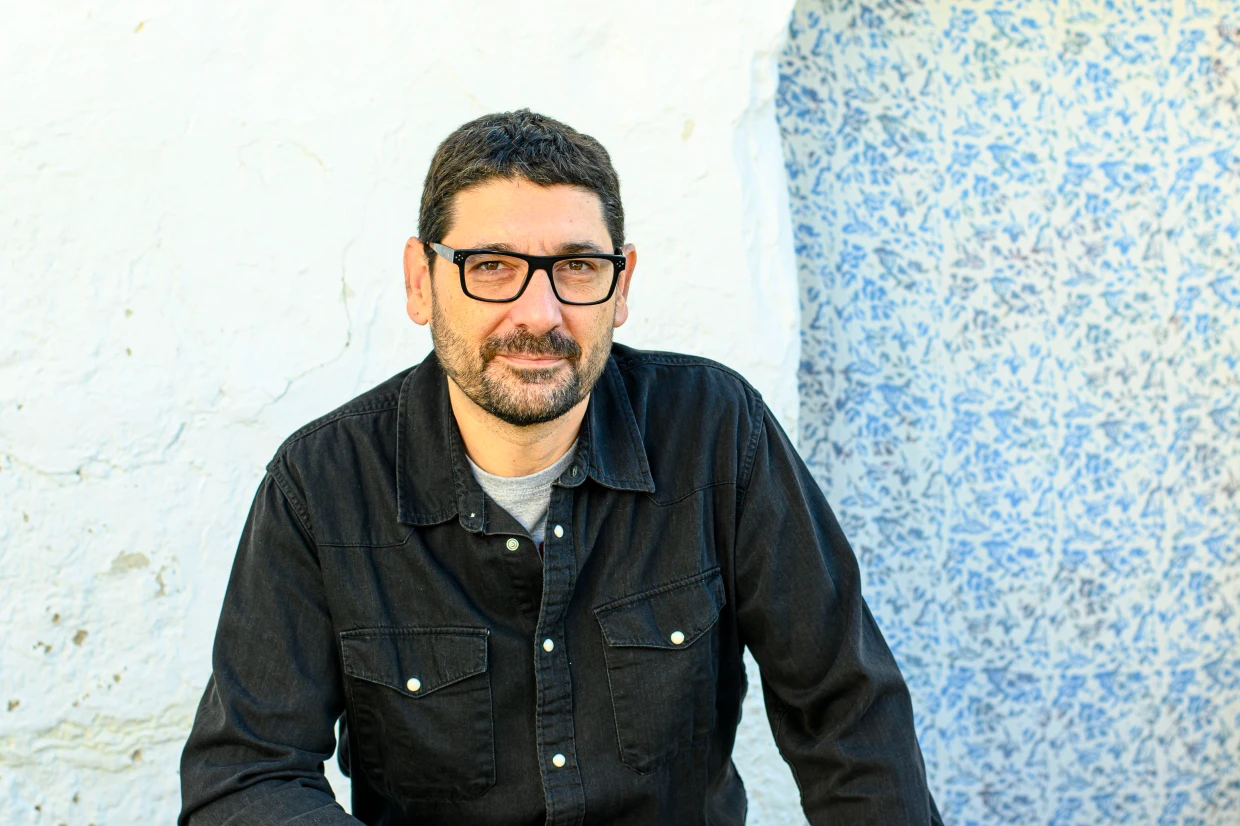
Foto: Paula Verde
Brief professional biography
I am Ignacio Calderón-Almendros, Associate Professor at the Department of Theory and History of Education, Social Pedagogy and R.D.M.E. at the University of Málaga (Spain), where I obtained my PhD in Education. I teach "Theory of Education" and "Education and Social Change" to future education professionals and Primary and Early Childhood Education teachers. I also teach on various postgraduate programmes, such as the Master’s Degree in "Social Change and Educational Professions" and the Master’s Degree in Secondary Education Teaching at the University of Málaga, the Master’s Degree in Inclusive Education, Democracy and Cooperative Learning at the Central University of Catalonia, and I have collaborated since 2016 with the Master’s Degree in International Solidarity Action and Social Inclusion at Universidad Carlos III in Madrid and since 2013 with the Master’s Degree in Educational Psychology at the Autonomous University of Madrid. Since 2014, I have been part of the Advanced Diploma in Pedagogies of Difference at FLACSO (Argentina), and together with Mel Ainscow I have spent years developing the Diploma in Developing Equity and Inclusion in Schools: An Action Research Programme. I participate in the Doctoral Programmes "Education and Social Communication" at the University of Málaga, "Educational Innovation and Intervention" (Central University of Catalonia and Mondragon Unibertsitatea), and "Equity and Innovation in Education" (University of Vigo, University of Santiago de Compostela, University of A Coruña, University of Cantabria and University of Oviedo).
In terms of research, I am a member of the Education and Social Change Research Group. I use ethnography to study the identity/difference nexus and educational experience, and Action Research to seek to bring about transformations. The development of participatory research for action has gradually taken on increasing importance in my research work. Together with a team of academics and activists, I have developed the Programme for the Promotion of Inclusive Education in the Americas of the Organization of American States and ORITEL; I am Scientific Advisor in the field of Education to the Ibero-American Down Syndrome Federation and Down España; a member of the Honorary Committee of the Regional Network for Inclusive Education – Latin America; a consultant to UNESCO and an advisor to the Inclusive Education Resource Pack of IBE-UNESCO. I have collaborated with various universities in Latin America, with the Inclusive Education Group of the Comparative and International Education Society (USA) and with the Auto/Biographical Study Group of the British Sociological Association (UK), and I am a Visiting Researcher at Ritsumeikan University in Kyoto (Japan). My research focuses on inclusive education, the social nature of disability, sociocultural disadvantage and processes of exclusion. I am interested in studying experience, how educational processes are lived, exclusion, inclusion... And I am committed to making school a place where everyone can create meaning.
I have given around one hundred lectures and seminars in Spain, England, Mexico, the United States, Paraguay, Canada, Colombia, Japan, China, Argentina, Chile, Uruguay, Honduras, Panama, Nepal and Peru; some of them in iconic venues such as the British Library in London and the United Nations Headquarters in New York. I have published in international journals such as "Disability & Society", "Educational Philosophy and Theory", "International Journal of Inclusive Education", "Revista de Educación", "British Journal of Sociology of Education", "Prospects (UNESCO)", "Educational Policy Analysis Archives", "Educación XX1", "Professional Development in Education", "International Journal of Qualitative Studies in Education", "International Journal of Action Research", etc. I am a member of the editorial teams of "Disability & Society", "Research in Inclusive Education", "Italian Journal of Disability Studies", "Brazilian Journal of Special Education" and "Revista Diálogos e Perspectivas em Educação Especial". I am a reviewer for the Spanish State Research Agency.
Among the books I have written are Education, Disability and Inclusion: A Family Struggle against an Exclusionary School (Brill, 2019), Educación y esperanza en las fronteras de la discapacidad [Education and Hope at the Borders of Disability] (Cinca, 2014, awarded by the Spanish Committee of Representatives of Persons with Disabilities and the International Association of Qualitative Inquiry – USA), Sin suerte, pero guerrero hasta la muerte [Unlucky, but a Warrior until Death] (Octaedro, 2015), Fracaso escolar y desventaja sociocultural [School Failure and Sociocultural Disadvantage] (UOC, 2016), Reconocer la diversidad [Recognising Diversity] (Octaedro, 2018), Análisis y propuesdtas para una nueva ley educativa [Analysis and Proposals for a New Education Law] (Octaedro, 2020), El papel de la universidad en la construcción de sistemas educativos inclusivos [The Role of the University in Building Inclusive Education Systems] (Octaedro, 2024), and the guides Cómo hacer inclusiva tu escuela [How to Make Your School Inclusive] and Cómo hacer Investigación Acción Participativa [How to Conduct Participatory Action Research] (Ministry of Education and FP, 2021 and 2023), Cómo disentir [How to Dissent] (Octaedro, 2024), ¿A qué responde la educación inclusiva [What Is Inclusive Education Responding To?] y Hacia una evaluación psicopedagógica inclusiva [Towards Inclusive Psychoeducational Assessment] (Octaedro, 2025).
I like to think that my professional work (the way I conduct research, what I write and everything I work on in my classes) is no different from the rest of my life. I am a son, father, partner, brother, friend... and educational processes run through each of these roles. I strive to smooth out my contradictions and to carry out my work and the rest of my life consistently. Sometimes I succeed. The rest of the time, I keep trying.
Researching, learning and building with others
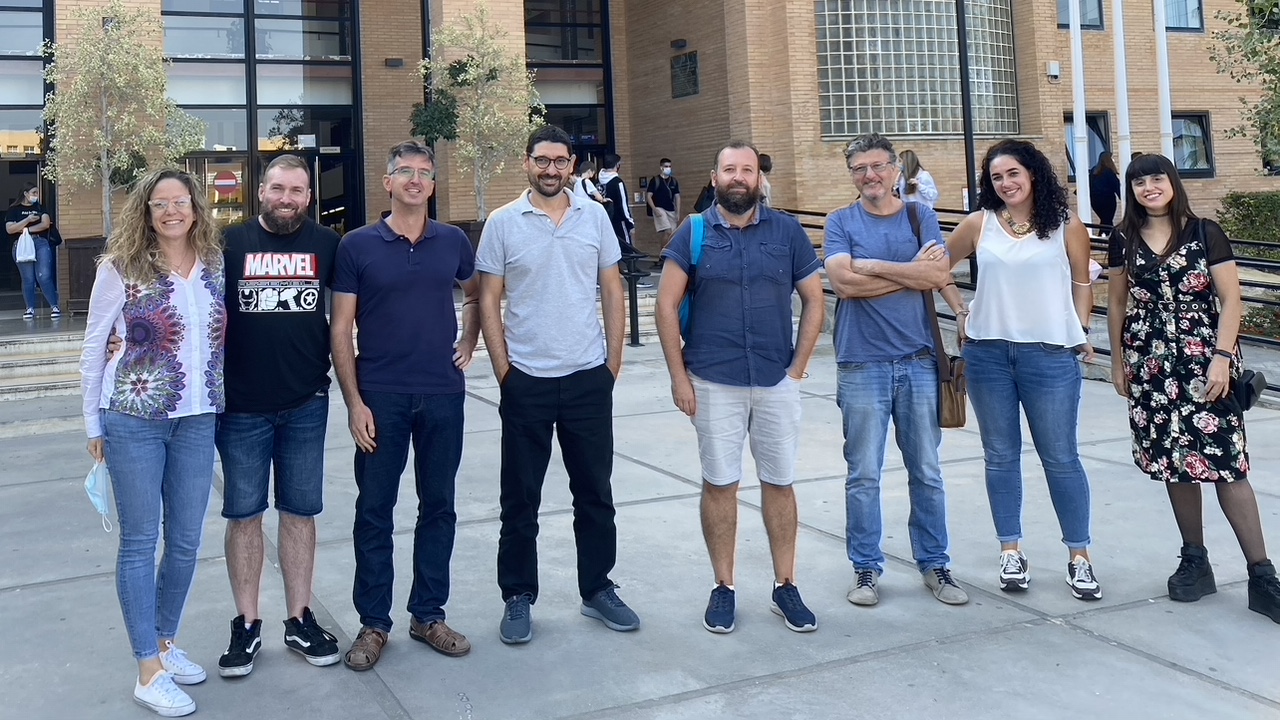
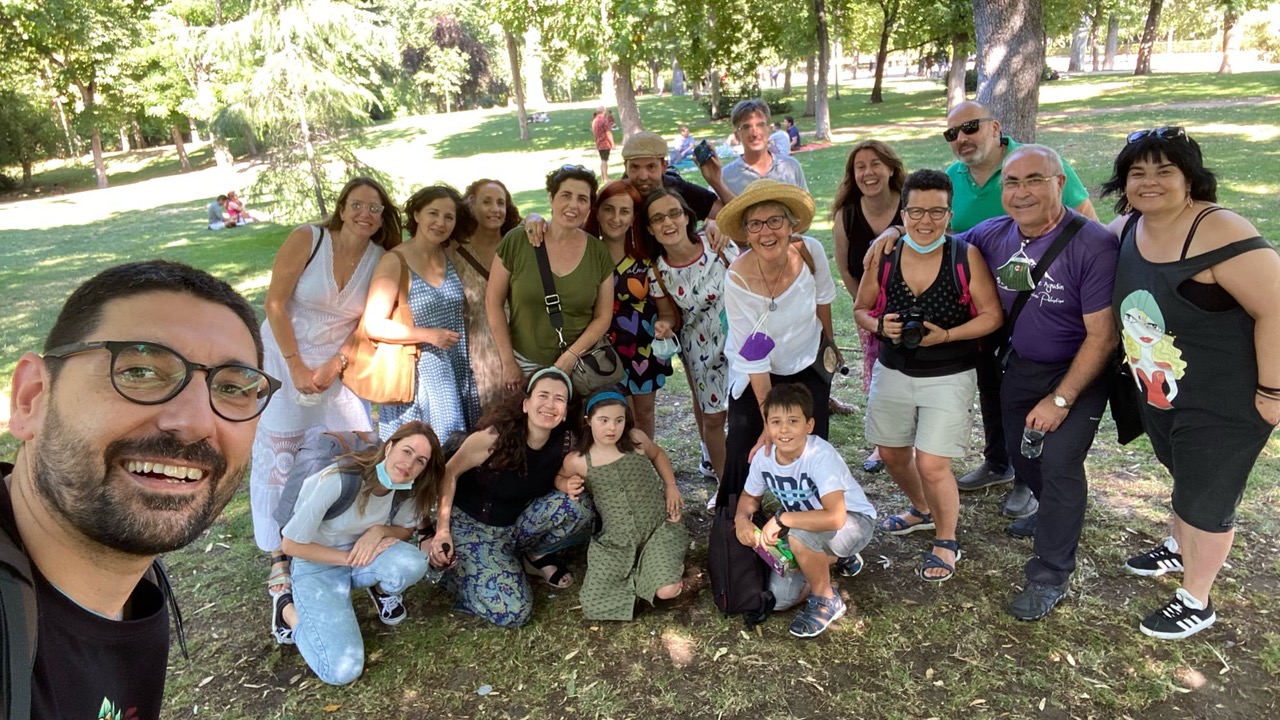
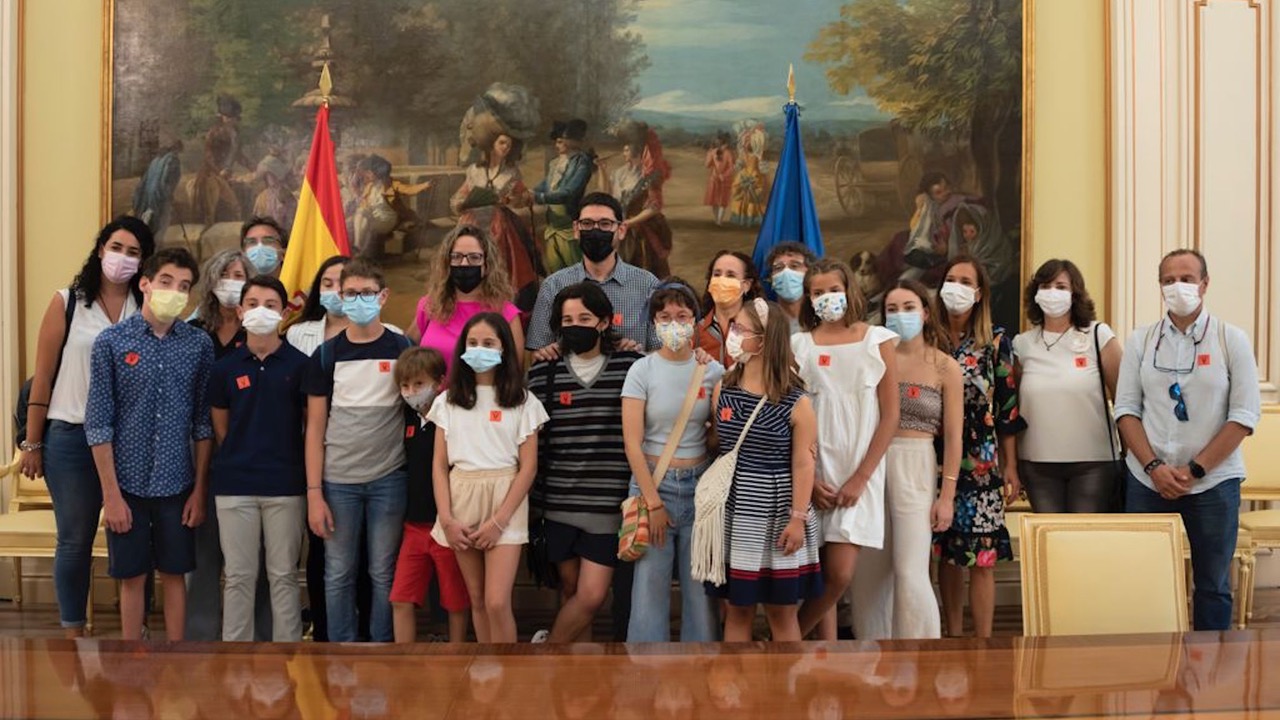
Inclusive research makes sense through the collective construction of knowledge and experience that can transform our ways of thinking, feeling and acting through living together. In this endeavour, I have had the privilege of crossing paths with extraordinary people, with whom I continue learning, researching and trying to bring about transformations. Research, then, takes place during this interaction, which allows us to go beyond mere understanding, because it involves feeling and sharing suffering, which drives us to embark on the collective construction of dreams that can transcend it.

My latest research interests
Sociological and educational theories of resistance have emerged in recent years within the field of Disability Studies. I am seeking to conduct systematic analyses of the discrimination experienced by students labelled by disability as a result of diagnoses and other school practices, viewed through the lens of resistance. This provides clear evidence of the usefulness of these theories for understanding this reality and for developing actions to confront hegemonic representations of disability. When families resist school verdicts, students can develop new social and life cartographies. I have written something to illustrate this from a practical perspective.
People who do not learn at the pace imposed by the school, for example, are still discriminated against within the institution, leading them towards failure and exclusion. I am trying to show how families can help schools become inclusive by promoting and defending the educational rights of the whole of human diversity. Families are often directed by professionals, but when they resist with pedagogical arguments, students with disabilities can make progress. For this reason, I study how scientific knowledge can be used to understand the attitudes, feelings and everyday actions of people labelled by disability and their families, with the aim of learning from them and contributing to making them more resilient. Understanding these emerging narratives of people who experience school discrimination is leading us to articulate struggles for education without exclusion, through actions that broaden collective imagination and culture, influence public policy and enable the transformation of school practices. And in this process, those of us conducting the research also undergo the transformations we seek for our schools and societies. The social movement Quererla es crearla is a materialisation of these shared concerns and aspirations, bringing together personal development and activism, civic participation and the construction of a socially committed science.
Awards
I have received several academic recognitions, including an Honourable Mention in the 2016 Awards for Qualitative Book in Spanish or Portuguese (awarded by the International Association of Qualitative Inquiry, University of Illinois) and the Disability and Human Rights Award 2013–14 (awarded by the Spanish Committee of Representatives of Persons with Disabilities, CERMI). In 2023, our "Students for Inclusion" Project received the Youth Teams in Education Research Award (awarded by the American Educational Research Association, Chicago) and the World Down Syndrome Award (awarded by Down Syndrome International, New York). It has also received other recognitions in Spain, such as the Award for Excellence (awarded by Autismo Málaga Association, 2025) and the 2025 Special Mention as an Honorary Person (awarded by IN.XURGA Association, Galician Lawyers for Inclusion, Spain).